
Peptide Research Trends and Scientific Developments

Peptides and Modern Biomedical Research Explained
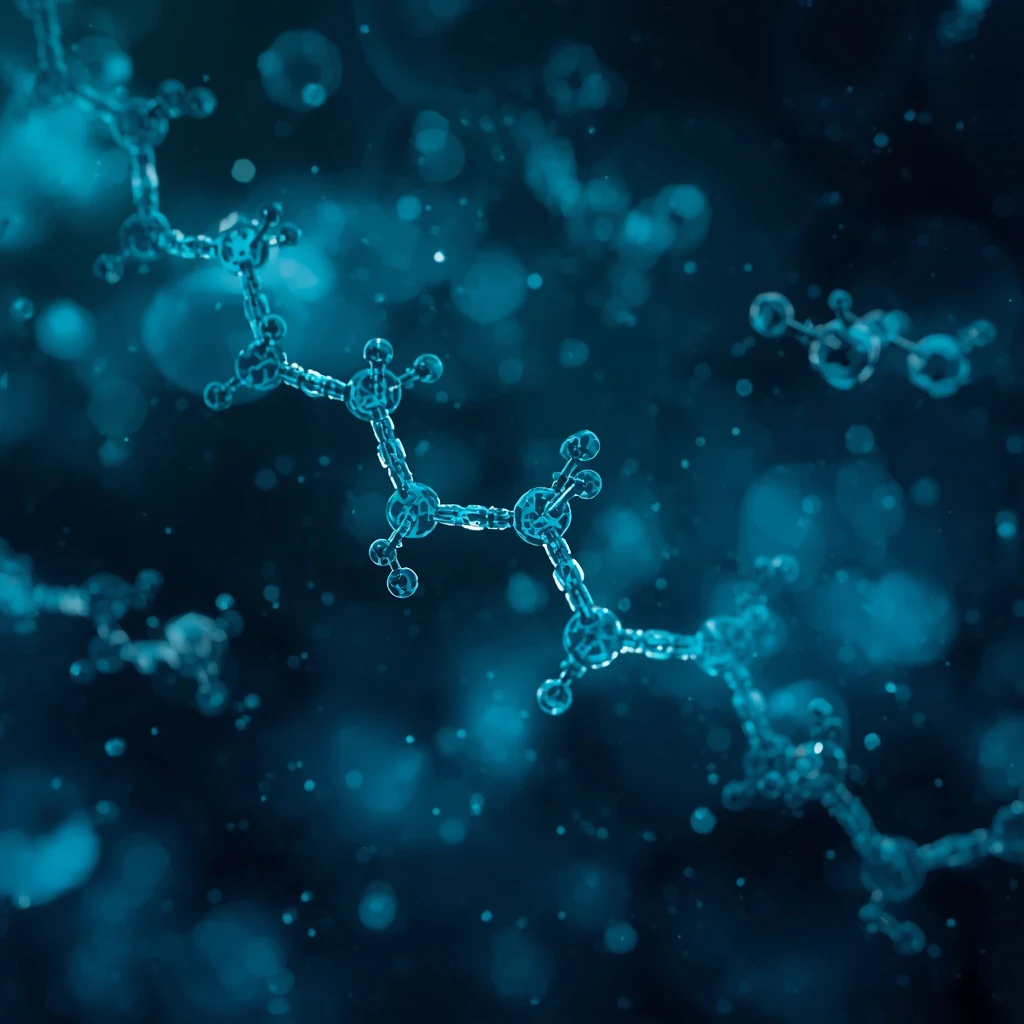
Peptides are short chains of amino acids that can be found naturally in biological systems or produced through laboratory synthesis. For readers exploring this subject, here is a closer look at why these molecules continue to attract scientific interest. Their varied structures allow researchers to investigate molecular interactions, biological signaling, and other processes that contribute to a deeper understanding of life sciences.
How Peptide Structure Influences Research
Every peptide has characteristics shaped by its amino acid sequence, length, configuration, and chemical environment. Scientists study these factors because even small structural changes can affect stability and molecular behavior. Understanding structure is therefore central to evaluating how a peptide performs during controlled laboratory investigations.
Studying Peptides in the Laboratory
Researchers use laboratory studies to examine how peptides behave under defined conditions. Some studies focus on naturally occurring molecules, while others investigate synthesized or modified sequences. Experimental work may explore interactions with proteins, receptors, enzymes, or cellular pathways, helping scientists build evidence around specific research questions.
Technologies Supporting Peptide Discovery
Advances in laboratory technology have expanded the ways scientists examine peptides. Techniques such as automated synthesis, chromatography, mass spectrometry, sequencing, and computational analysis can provide detailed information about molecular identity and behavior. Combining several analytical approaches can give researchers a more complete picture of a peptide under investigation.
The Importance of Peptide Quality
Research conclusions depend partly on knowing what material is being studied. Scientists may assess peptide identity, purity, molecular mass, degradation, and related characteristics before beginning experiments. Proper characterization helps distinguish the intended compound from impurities or breakdown products and can improve consistency when results are compared.
Reading Peptide Research Carefully
Scientific evidence surrounding peptides can range from early laboratory observations to extensive clinical research. Readers should consider the study design, research setting, sample size, and limitations before drawing conclusions. Distinguishing preclinical findings from human evidence is particularly important when evaluating claims about potential applications.

Peptides in Pharmaceutical Research
Peptides have attracted substantial interest in pharmaceutical research because some can interact with biological targets with notable specificity. Scientists continue studying ways to improve stability, formulation, delivery, and manufacturing. These areas of research are important because peptide candidates can present technical challenges that differ from those associated with conventional small-molecule compounds.
Finding Authoritative Scientific Information
Access to credible literature is valuable when exploring peptide science. The National Center for Biotechnology Information provides biomedical databases and literature resources that can help readers examine published research and scientific terminology. Using established sources makes it easier to separate documented findings from unsupported claims and promotional material.
Careful Research and Documentation
Well-documented laboratory work supports clearer scientific interpretation. Researchers may record sample identification, storage conditions, controls, analytical procedures, and experimental observations. Detailed documentation makes results easier to review and reproduce while also helping researchers identify limitations that may require additional investigation.
Following Peptide Research Online
Digital platforms have made scientific topics more accessible to broader audiences. The Peptides Costa Rica LinkedIn presence offers another place for readers interested in peptide-related discussions and research subjects to follow updates. Online discussions can be useful for discovering topics, but scientific publications remain important when evaluating experimental claims or potential applications.
Peptide Science Connects Many Disciplines
Peptide science brings together organic chemistry, molecular biology, biotechnology, pharmacology, analytical chemistry, and pharmaceutical development. Each field contributes different methods for studying molecular structure and function. Collaboration across disciplines can support advances in synthesis, characterization, screening, and peptide design.
The Future of Peptide Research
Peptide research continues to develop as scientists introduce improved analytical methods, synthesis technologies, and molecular design strategies. Future studies may provide new insights into peptide structure, biological interactions, and research applications. For readers following Peptides Costa Rica and the wider peptide community, focusing on documented evidence and clearly defined research stages provides a useful foundation for understanding this evolving scientific field.