

Creating a Fitness Lifestyle That Lasts Beyond Short Term Goals
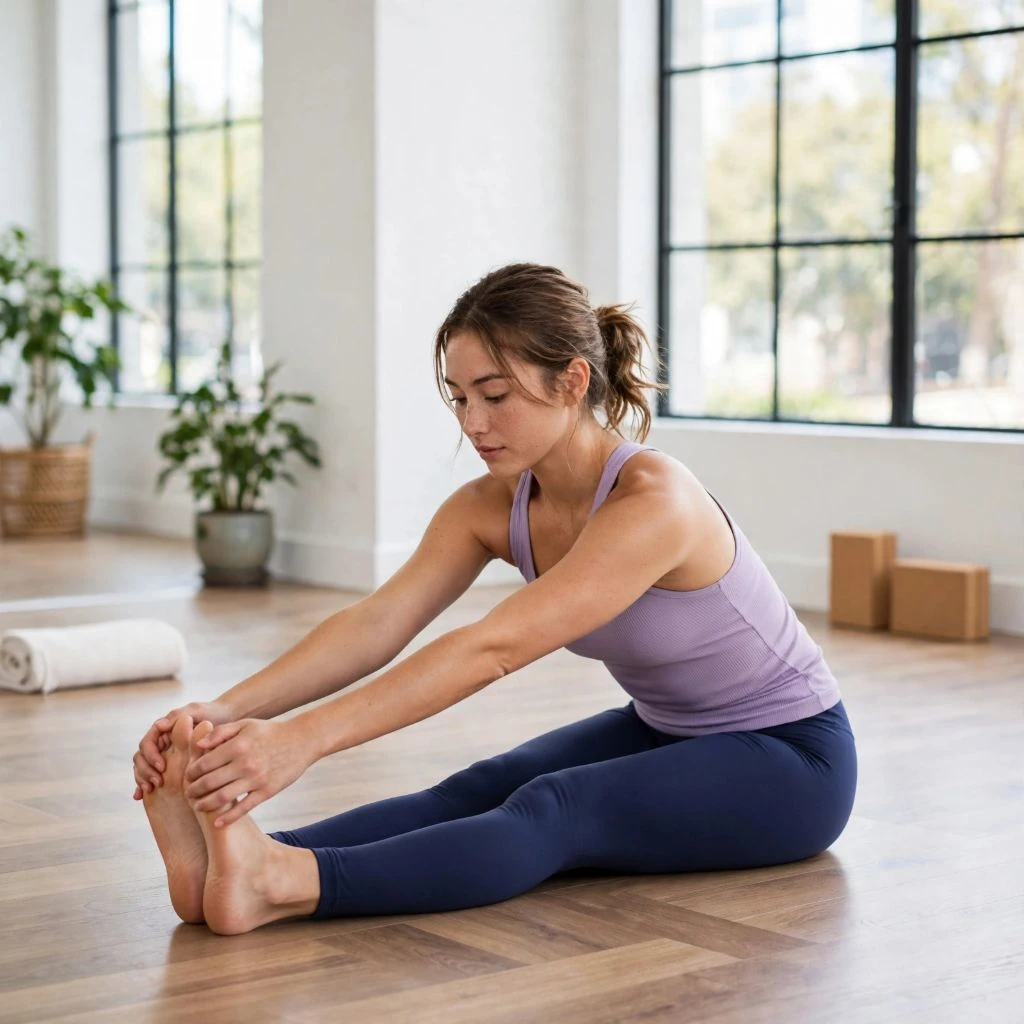
Make Wellness Part of Your Daily Routine
A healthier body is rarely the result of one intense workout or a temporary diet. It develops through ordinary choices repeated over months and years. Anyone wanting to read more about healthy living can begin by looking beyond quick results and focusing on habits that fit naturally into everyday life. A sustainable fitness lifestyle should leave room for work, family, rest, social activities, and occasional changes in routine. When healthy choices become practical rather than overwhelming, staying committed becomes much easier.
Discover What Keeps You Moving
Exercise does not have to mean spending hours inside a gym. Some people enjoy lifting weights, while others prefer cycling, swimming, walking, dancing, hiking, or playing a sport. Enjoyment matters because an activity you genuinely like is easier to continue. Experimenting with different forms of movement can help reveal what feels comfortable and motivating. Once exercise becomes something you look forward to rather than something you force yourself to complete, consistency often follows naturally.
Turn Small Sessions Into Big Results
Many people believe fitness requires long workouts, but regular shorter sessions can also contribute to an active lifestyle. A brisk walk during lunch, a short strength session in the morning, or several minutes of stretching in the evening can add meaningful movement to the day. Beginning with achievable targets also reduces the risk of becoming discouraged. The objective is not to do everything immediately. It is to establish a pattern that can gradually become stronger.
Give Your Body Different Challenges
Repeating exactly the same activity every day can become boring and may leave certain aspects of fitness underdeveloped. A varied routine can include endurance work, resistance exercises, balance activities, mobility sessions, and recreational movement. Alternating activities also gives different muscle groups time to recover. Variety can make training more interesting while helping develop practical fitness that supports everyday movements.
Make Strength Part of Everyday Fitness
Strength is useful far beyond the gym. Stronger muscles can make ordinary tasks such as carrying groceries, climbing stairs, lifting household objects, and maintaining good posture feel easier. Resistance training can be performed with machines, free weights, resistance bands, or bodyweight exercises. Beginners do not need complicated programmes. Simple movements performed with controlled technique and gradual progression can provide a solid foundation.
Fuel Your Body With Variety
Exercise places demands on the body, making nutrition an important part of the overall picture. Instead of concentrating on strict food rules, build meals around a variety of nutritious ingredients. Vegetables, fruit, whole grains, beans, lean protein sources, nuts, seeds, and other minimally processed foods can contribute valuable nutrients. Drinking enough fluids is also important, particularly when exercising or spending time outdoors. A balanced approach is generally easier to maintain than an eating plan built around unnecessary restrictions.
Let Your Body Recharge Between Workouts
Rest should not be viewed as lost training time. Recovery allows the body to respond to physical activity and can help people return to exercise with greater energy. Sleep is especially important because inadequate rest can affect concentration, mood, energy, and exercise performance. Building a consistent sleep routine, allowing recovery days, and paying attention to signs of excessive fatigue can make physical activity more sustainable.

Measure More Than Physical Appearance
Fitness progress is not always obvious in a mirror. Someone may notice that climbing stairs feels easier, a longer walk no longer causes fatigue, or a particular exercise can be performed with better control. These improvements are valuable indicators of progress. Tracking strength, stamina, flexibility, energy levels, or workout consistency can provide a broader picture of development than focusing exclusively on body weight.
Leave Room for Imperfect Days
A realistic fitness lifestyle has to accommodate real life. Vacations, demanding workdays, family commitments, illness, and unexpected events can interrupt even the best routine. Missing one workout does not erase previous progress. Instead of abandoning the plan after a setback, simply return to the next manageable activity. This flexible mindset can prevent an occasional interruption from becoming a long-term break.
Protect Your Motivation From Comparison
Social media can make fitness appear effortless, with carefully edited images and dramatic transformation stories appearing everywhere. Comparing your everyday progress with someone else’s highlight reel can create unrealistic expectations. Personal goals should reflect individual circumstances, starting points, preferences, and abilities. Progress becomes more meaningful when the focus remains on becoming healthier and more capable rather than matching somebody else’s appearance.
Use Evidence Before Following Trends
New fitness challenges, diets, supplements, and training techniques appear constantly. Some ideas may be useful, but popularity does not automatically prove effectiveness. Looking for trustworthy health information before adopting a major change can help separate useful guidance from exaggerated claims. The World Health Organization’s physical activity recommendations provide an authoritative starting point for understanding general activity needs and the benefits of regular movement.
Make Healthy Choices Easier
Environment can strongly influence daily behaviour. Keeping walking shoes accessible, preparing nutritious meals in advance, scheduling exercise sessions, or choosing activities close to home can remove unnecessary obstacles. Even small adjustments can make healthy decisions more convenient. The less effort required to begin an activity, the more likely it is to become part of a regular schedule.
Build Around Your Current Ability
There is no universal starting point for fitness. Someone who is already active may be ready for more challenging training, while a beginner may benefit from gentle movement and gradual progression. Paying attention to current ability helps create realistic expectations. Increasing duration, resistance, distance, or intensity slowly can allow the body to adapt without turning every session into a test of endurance.
Let Consistency Become Your Advantage
The biggest benefits of fitness often come from what happens repeatedly rather than occasionally. One extraordinary workout cannot replace weeks and months of ordinary movement. A moderate routine followed consistently can become much more valuable than an ambitious programme that is abandoned after a few weeks. Creating habits that remain possible during busy periods is one of the strongest strategies for maintaining long-term progress.
Create a Routine You Can Keep
Long-term fitness is ultimately about building a relationship with movement, nutrition, recovery, and personal wellbeing that can continue through different stages of life. There will be easier weeks and more challenging ones, but the underlying habits can remain. By choosing enjoyable activities, eating a varied diet, prioritizing recovery, and setting realistic expectations, fitness becomes less about chasing a temporary goal and more about creating a healthier way of living every day.