
Best Peptides for Tendon or Ligament Repair Evidence From Research
How Researchers Evaluate the Best Peptides for Tendon or Ligament Repair
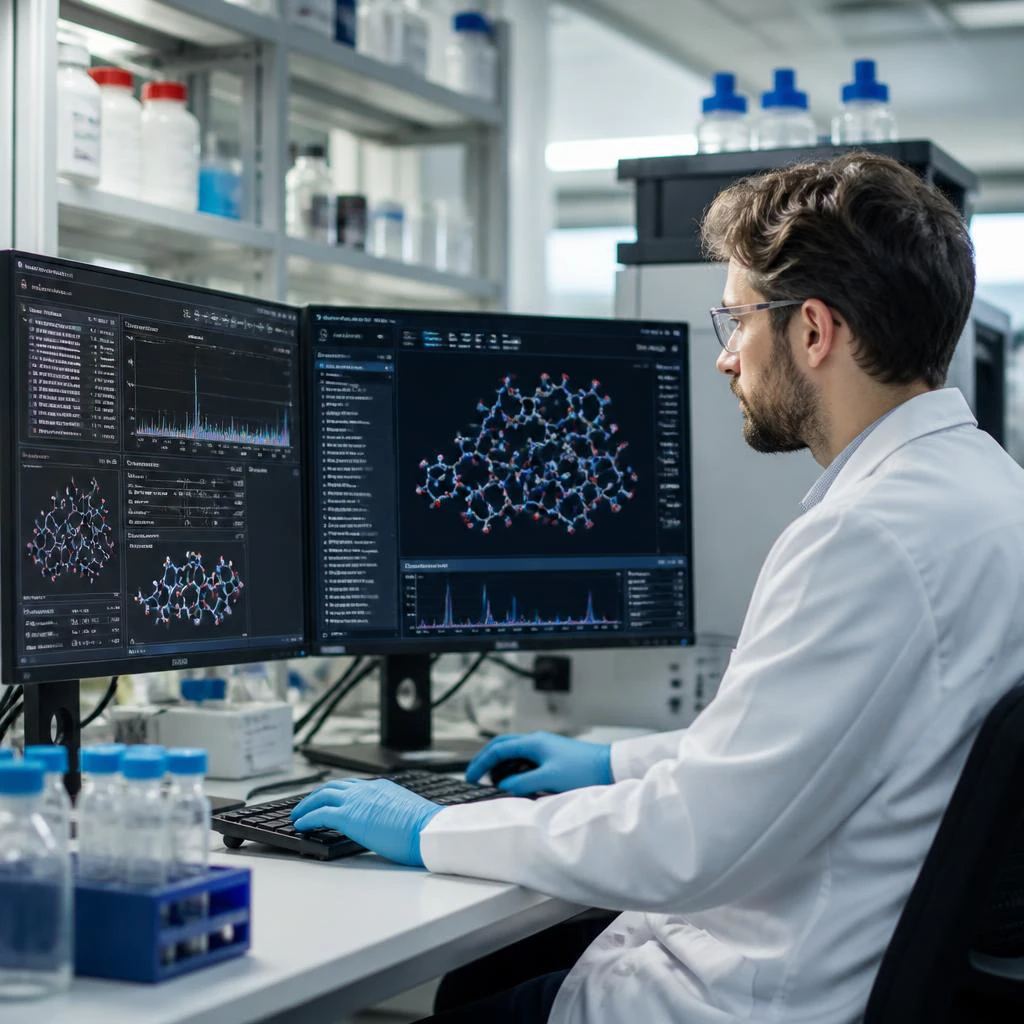
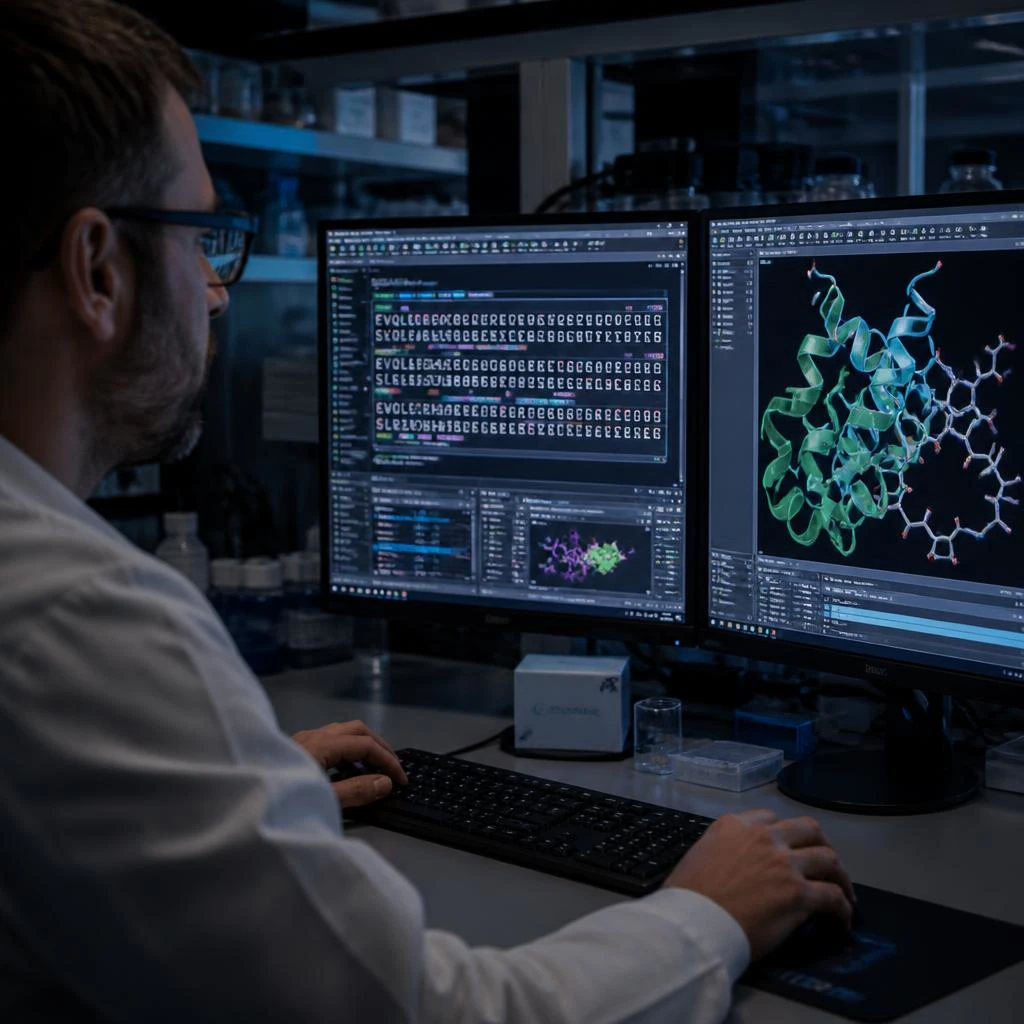
Tendon and ligament injuries have become an important area of interest in laboratory research because these connective tissues play essential roles in movement, flexibility, and structural support. Researchers continue exploring different peptide compounds to better understand cellular signaling, tissue remodeling, and collagen-related processes. As scientific investigations expand, many laboratories search for the best peptides for tendon or ligament repair when designing research protocols focused on connective tissue biology. It is important to note that peptides discussed in this article are intended for research purposes only and should be evaluated within controlled scientific settings rather than for personal use.
Why Researchers Study Peptides for Connective Tissue
Peptides are short chains of amino acids that participate in numerous biological processes. In laboratory environments, scientists investigate how specific peptides interact with receptors, signaling pathways, and proteins involved in tissue maintenance.
Research involving connective tissues often examines topics such as:
- Cellular communication
- Collagen production
- Tissue remodeling
- Blood vessel development
- Inflammatory signaling
- Fibroblast activity
Understanding these mechanisms helps researchers generate new hypotheses regarding how connective tissues respond following experimental injury models.
BPC-157 in Research Models
One of the most discussed research peptides is BPC-157. Scientists have explored this peptide in experimental studies involving tendons, ligaments, muscles, and gastrointestinal tissues.
Laboratory investigations frequently evaluate BPC-157 for its potential relationship with:
- Connective tissue organization
- Cellular migration
- Angiogenesis research
- Experimental collagen activity
- Tissue regeneration pathways
Although published studies continue to investigate these biological effects, additional research remains necessary to understand the full range of molecular interactions.
TB-500 and Cellular Movement Studies
TB-500 is another peptide commonly examined in research focused on connective tissues. Derived from research involving thymosin beta-4, this peptide has attracted scientific interest because of its relationship with cellular movement and tissue organization.
Researchers often investigate TB-500 for its possible influence on:
- Cell migration
- Cytoskeletal organization
- Wound healing models
- Tissue remodeling
- Experimental recovery pathways
Current laboratory findings continue to contribute valuable information regarding how these biological processes may interact under controlled research conditions.
Collagen and Tissue Remodeling
Healthy tendons and ligaments depend heavily on collagen fibers arranged in organized patterns. Because collagen provides strength and flexibility, many peptide studies focus on understanding how connective tissue cells regulate collagen synthesis and remodeling.
Researchers frequently analyze:
- Fibroblast behavior
- Extracellular matrix organization
- Collagen turnover
- Matrix metalloproteinase activity
- Cellular signaling proteins
These investigations improve scientific understanding of connective tissue biology while supporting future laboratory discoveries.
Combining Peptides in Experimental Research
Some laboratory protocols evaluate more than one peptide to compare biological responses across different experimental models. Rather than assuming similar mechanisms, researchers carefully document each peptide independently while measuring cellular activity, structural changes, and molecular signaling.
Experimental comparisons may include:
- Single-peptide investigations
- Sequential peptide exposure
- Combination laboratory models
- Dose-response analysis
- Histological tissue evaluation
Such research helps generate higher-quality scientific data while maintaining standardized laboratory practices.
Importance of Laboratory Quality
Research outcomes depend significantly on peptide purity, storage conditions, and laboratory handling procedures. Scientists generally prioritize products that undergo identity verification and quality control before experimental use.
Good laboratory practices typically include:
- Proper storage temperatures
- Sterile handling techniques
- Accurate measurement procedures
- Controlled experimental environments
- Comprehensive documentation
Maintaining these standards helps improve consistency between research studies.
Continuing Advances in Peptide Science
Connective tissue research continues evolving as new discoveries emerge regarding molecular biology and regenerative science. Investigators regularly publish findings that expand knowledge of peptide interactions, collagen biology, inflammatory pathways, and cellular communication.
For researchers seeking trusted scientific literature related to molecular biology and peptide research, the PubMed database provides access to millions of peer-reviewed biomedical publications that support ongoing scientific investigation.
As scientific understanding grows, carefully designed laboratory investigations will remain essential for evaluating peptide biology and generating evidence-based insights into connective tissue research. While interest in tendon and ligament studies continues increasing, conclusions should always be based on reproducible experimental data, peer-reviewed publications, and rigorous scientific methodology.