

GHK-Cu Peptide Guide Science, Research, and Laboratory Applications

GHK-Cu Research Guide Properties, Functions, and Laboratory Insights
Copper peptides continue to attract attention across scientific fields because of their unique biological properties and potential research value. This article explores current knowledge surrounding GHK-Cu while highlighting laboratory considerations and published findings. Whether reviewing peptide literature or examining molecular interactions, this ghk-cu guide provides a practical overview of the compound’s characteristics without focusing on any specific region or city. Researchers often rely on peer-reviewed studies to better understand how copper-binding peptides influence cellular pathways and biochemical activity.
What Is GHK-Cu?
GHK-Cu is a naturally occurring copper peptide composed of three amino acids: glycine, histidine, and lysine. When bound to copper ions, this peptide forms a stable complex that has been extensively investigated in laboratory settings. Scientists first identified GHK in human plasma, and subsequent research has found it in saliva and urine as well.
The peptide has become a popular research subject because it appears to participate in biological processes associated with tissue remodeling, cellular communication, and protein regulation. While many investigations remain ongoing, GHK-Cu continues to be an important molecule for biochemical and molecular biology studies.
Why Researchers Study GHK-Cu
Interest in GHK-Cu stems from its broad range of biological interactions observed in experimental models. Researchers have explored its possible influence on:
- Cellular signaling pathways
- Extracellular matrix regulation
- Collagen-related protein expression
- Oxidative stress responses
- Tissue remodeling mechanisms
Rather than acting through a single pathway, GHK-Cu appears to interact with numerous cellular processes. This complexity makes it an appealing subject for laboratory investigations seeking to understand peptide biology at the molecular level.
Molecular Characteristics
GHK-Cu is considered a copper-binding peptide with a relatively small molecular structure. Its ability to transport and stabilize copper ions contributes to many of the biological activities examined in research environments.
Laboratory experiments have demonstrated that copper is an essential trace element involved in multiple enzymatic reactions. By forming a complex with copper, GHK-Cu provides researchers with a model for studying metal-peptide interactions and their effects on cellular function.
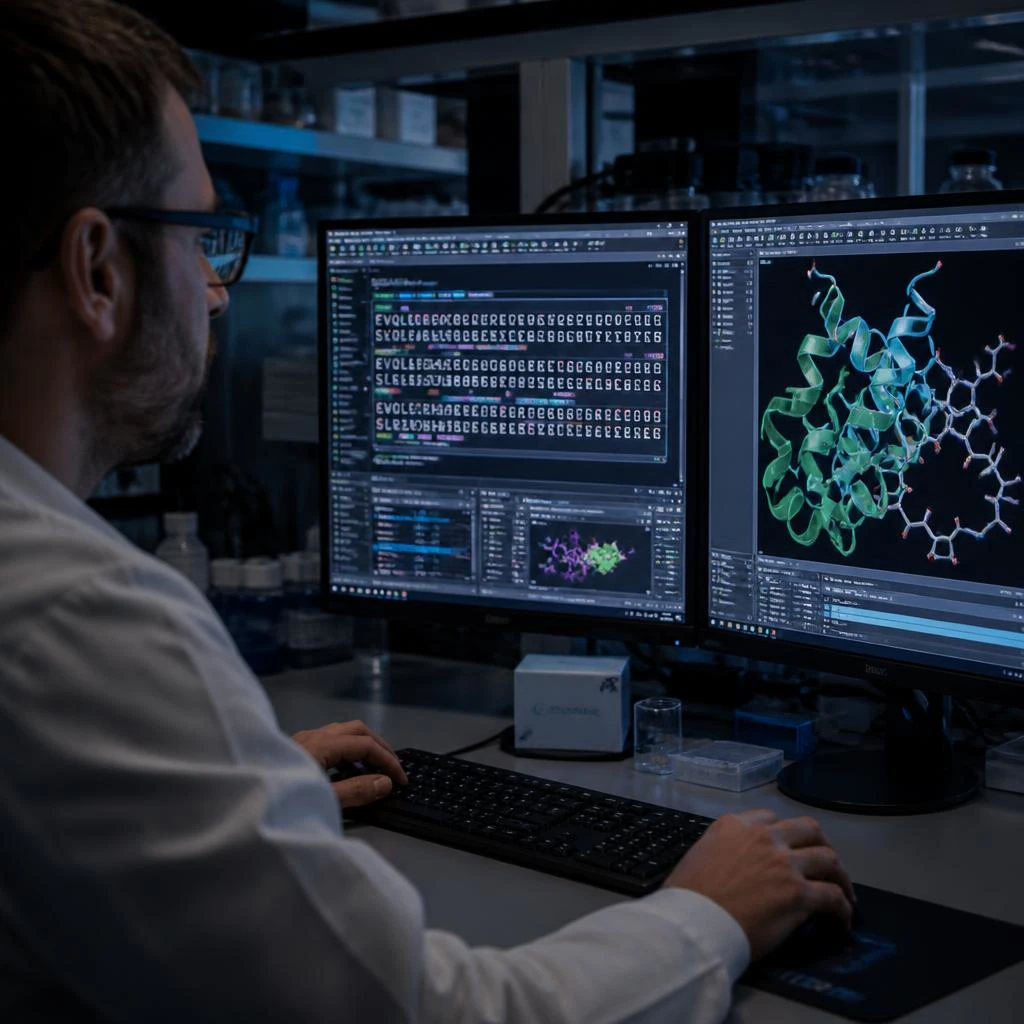
Scientists interested in peptide chemistry frequently evaluate its stability, binding affinity, and behavior under controlled experimental conditions to better understand these mechanisms.
Current Areas of Scientific Research
Research involving GHK-Cu spans several scientific disciplines. Investigators continue to explore its role in:
Cellular Biology
Studies examine how GHK-Cu may influence communication between cells and regulate genes associated with structural proteins and tissue maintenance.
Protein Expression
Researchers investigate changes in protein production following exposure to GHK-Cu, helping improve understanding of peptide-mediated biological responses.
Biomaterials Research
Some laboratories study GHK-Cu as part of biomaterial development, evaluating how peptide incorporation may affect experimental tissue engineering systems.
Molecular Mechanisms
Scientists also analyze the signaling pathways activated by GHK-Cu to determine how these interactions contribute to broader biological processes.
Laboratory Handling Considerations
Research-grade peptides require careful handling to preserve integrity during experimentation. Laboratories commonly recommend:
- Maintaining appropriate storage temperatures.
- Avoiding repeated freeze-thaw cycles.
- Using sterile laboratory equipment.
- Following validated preparation protocols.
- Recording batch information for research consistency.
These standard practices help improve reproducibility across scientific investigations while minimizing experimental variability.
Importance of Scientific References
Because peptide research continues to evolve, consulting established scientific resources remains essential. Researchers benefit from reviewing peer-reviewed publications alongside trusted biological databases. The National Center for Biotechnology Information (NCBI) provides access to extensive scientific literature, molecular biology resources, and peer-reviewed research that support ongoing peptide and protein studies.
Combining supplier documentation with authoritative scientific literature enables researchers to develop a more complete understanding of peptide characteristics and experimental design.
Choosing Research-Grade Materials
When obtaining peptides for laboratory use, researchers generally evaluate several important factors, including purity specifications, analytical testing, manufacturing standards, and product documentation.
Certificates of Analysis, chromatographic data, and mass spectrometry reports are commonly reviewed to verify peptide identity before experimental use. These quality measures contribute to reproducible research and consistent laboratory outcomes.
Proper documentation also supports transparency when comparing experimental results across different research projects.
Final Thoughts
GHK-Cu remains one of the most extensively studied copper peptides in modern laboratory research. Its naturally occurring structure, diverse biological interactions, and ongoing scientific investigation continue to generate interest among researchers exploring peptide biology and molecular mechanisms.
Although many questions remain regarding its full range of biological activities, published research continues to expand our understanding of this unique peptide. By combining high-quality research materials with authoritative scientific references, investigators can better design experiments that contribute meaningful data to the growing field of peptide science.